

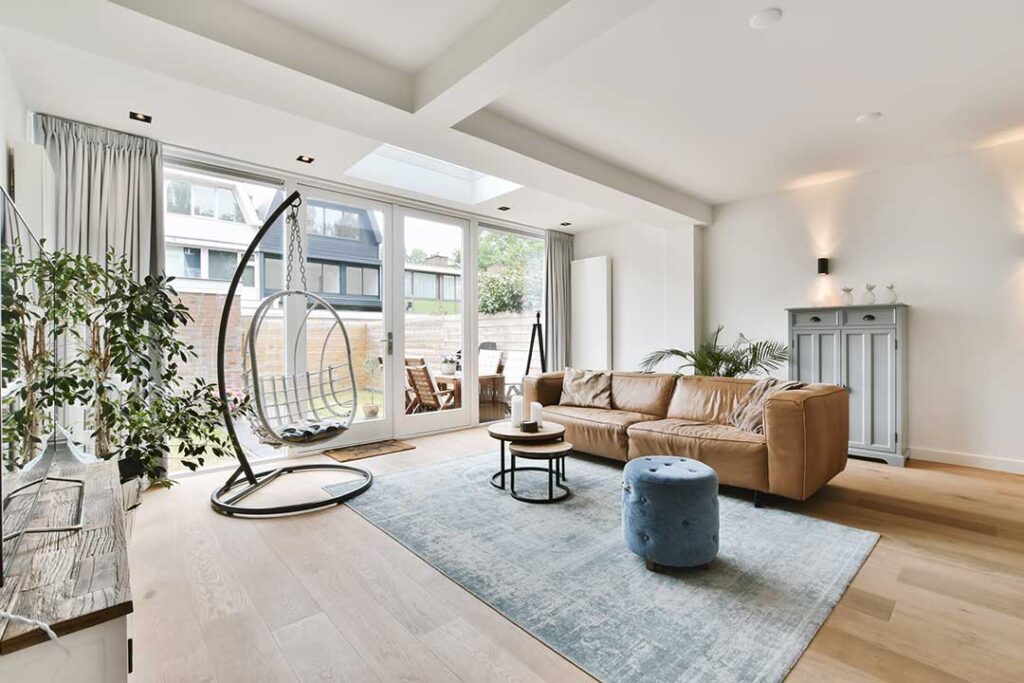
What does home staging accomplish?
Home staging helps potential buyers understand how a property can function as their own. It does not require expensive furniture, major remodeling, or a completely redesigned interior. The main goals are to improve cleanliness, create a sense of space, highlight useful features, and reduce distractions.
A staged home should feel comfortable and easy to evaluate. Buyers need to notice the room sizes, storage, natural light, flooring, windows, and overall condition rather than focusing on crowded surfaces or unfinished chores.
For many area households, the most effective improvements cost little or nothing. Rearranging furniture, removing excess belongings, cleaning neglected areas, and improving lighting can often create a stronger impression than purchasing decorative items.
Which rooms should be staged first?
Prioritize the spaces that influence how buyers understand daily life: the entry, living room, kitchen, primary bedroom, and bathrooms. If time or money is limited, begin with the rooms that appear largest in listing photographs or that connect directly to one another.
The entry should feel open and orderly. Remove piles of shoes, mail, bags, and seasonal items. A clean doormat, a cleared walkway, and one simple decorative feature are usually enough.
In the living room, arrange furniture to show clear walking paths and conversation areas. Pull sofas and chairs slightly away from the walls when possible, but avoid blocking windows, doors, or vents. Remove furniture that makes the room feel difficult to navigate.
The kitchen benefits from clear counters. Keep only a few useful or attractive items in view, such as a cutting board, a small bowl, or a simple container. Store small appliances that are not used every day, and clean cabinet fronts, handles, backsplashes, and the area around the sink.
Bedrooms should communicate rest and usable storage. Use neutral bedding, limit decorative pillows, and remove clothing from chairs and floors. Make closets appear functional by leaving some space between hanging items and keeping the floor visible.
Bathrooms should be clean, bright, and free of personal toiletries. Fresh towels, a clean shower area, and uncluttered counters can make the room feel larger without any renovation.
How can a home be staged without buying new furniture?
Use what is already available, but edit carefully. Staging is often more about removal and arrangement than adding objects.
Try these low-cost adjustments:
- Move oversized furniture to another room, storage area, or off-site location if it blocks movement.
- Use matching or coordinated linens where possible.
- Turn chairs toward a window, fireplace, or seating area rather than toward a television in every room.
- Remove extra end tables, floor lamps, baskets, and small decorative objects.
- Place mirrors where they reflect light or an attractive part of the room, not a cluttered corner.
- Group books and accessories in small, intentional arrangements instead of spreading them across every surface.
- Use existing artwork selectively, leaving some walls open.
A room does not need to look empty. It should look spacious enough for buyers to imagine their own furniture. Too little furniture can also make rooms appear smaller, so retain enough pieces to show scale.
What should be cleaned before listing photos or showings?
Deep cleaning usually produces a better return than inexpensive décor. Pay attention to surfaces that are easy to overlook during ordinary housekeeping.
Focus on:
- Baseboards, ceiling fans, light fixtures, vents, doors, and switch plates
- Windows, screens, blinds, and window tracks
- Kitchen appliances, cabinet fronts, countertops, and floors
- Grout, faucets, shower doors, and bathroom exhaust areas
- Floors beneath furniture and along wall edges
- Pet hair, odors, smoke residue, and heavily scented products
In Deer Park, TX, warm weather and humid conditions can make odors and dust more noticeable, especially in closed rooms or areas with limited airflow. Air out the home when conditions allow, replace visibly dirty filters, and avoid covering odors with strong fragrances. Clean, neutral-smelling spaces generally feel more comfortable than rooms filled with air freshener.
Exterior cleaning matters as well. Sweep walkways, remove cobwebs, clean the front door, trim overgrown plants, and make sure outdoor areas are easy to access. Buyers often form an opinion before entering the house.
How should lighting be improved on a small budget?
Good lighting makes rooms appear cleaner and more functional. Open curtains and blinds before photographs and showings, then turn on lamps and overhead lights so buyers can see the full room.
Replace burned-out bulbs and use bulbs with similar color temperatures throughout connected spaces. A mixture of very warm and very cool lighting can make rooms feel inconsistent. Clean light fixtures and remove heavy window coverings that block natural light.
Do not conceal problems with lighting. A bright room is helpful, but lights should not be aimed directly at reflective surfaces or arranged in a way that creates glare. Ensure cords are secured and do not create trip hazards.
What inexpensive repairs are worth doing?
Small maintenance items can affect how buyers judge the rest of the property. Prioritize repairs that are visible, inexpensive, and related to everyday use.
Examples include tightening loose cabinet pulls, replacing missing switch-plate covers, repairing dripping faucets, touching up scuffed walls, adjusting doors that do not close properly, and replacing damaged caulk around sinks or tubs.
Avoid starting large projects solely for staging unless there is a clear safety, water, structural, or habitability concern. Major renovations may not recover their cost, particularly when the work changes the home to match one person’s taste.
Safety issues deserve separate attention. Loose railings, exposed wiring, broken steps, leaking plumbing, and damaged flooring should not be hidden with furniture or décor. Hazardous conditions may require qualified assistance rather than a cosmetic solution.
Should walls and décor be neutral?
Neutral does not have to mean completely white or characterless. The goal is to create a calm background that allows buyers to focus on the home’s layout and condition.
If a wall has a very intense color, heavy pattern, or highly personal theme, repainting may help. Use a simple, consistent palette that works with the existing floors, countertops, and fixtures. Test paint colors in the actual room because natural light and nearby surfaces can change how a color appears.
Remove highly personal displays, political items, excessive collections, and décor that dominates a room. Family photos do not need to disappear entirely, but reducing them can help viewers imagine the property as their own.
How should outdoor areas be staged?
Outdoor spaces should look usable and maintained rather than elaborately decorated. Sweep patios and porches, remove broken items, organize tools, and trim plants that block paths, windows, or entry points.
If there is room, use a simple arrangement such as two chairs and a small table to show how the area might be used. Do not overcrowd exterior spaces with furniture, children’s equipment, storage containers, or seasonal decorations.
Check drainage areas and exterior lighting after rain or during humid weather. Standing water, slippery surfaces, or blocked walkways can raise practical concerns that décor cannot solve.
What common staging mistakes should be avoided?
The most frequent mistake is trying to hide too much. Crowded closets, packed garages, overfilled cabinets, and furniture pushed against every wall can make a home feel smaller.
Other issues include:
- Using strong fragrances to cover odors
- Leaving personal paperwork, medications, valuables, or sensitive information visible
- Blocking windows with furniture or heavy curtains
- Displaying too many small decorations
- Ignoring the garage, laundry area, pantry, or hallway
- Staging only for photographs while leaving the home difficult to walk through
- Making repairs look unfinished through mismatched paint or temporary patches
Before photographs or showings, walk through the home as if seeing it for the first time. Look for blocked paths, dark corners, visible clutter, unpleasant odors, and features that are difficult to understand from the doorway.
A practical budget can be divided into three priorities: cleaning supplies, minor repairs, and limited replacement items such as neutral towels or light bulbs. If funds remain, use them selectively in the rooms that need the most visual improvement rather than spreading small purchases throughout the entire property.